Best French Riviera Dining Experience

Nice, Cannes and Antibes compared for eating, plus socca, Cours Saleya, beach clubs, August closures and the festival calendar.

Start with the disclosure, because it is the reason this page exists. ERentals Exclusive does not operate on the French Riviera. We have no villas in Nice, Cannes, Antibes, Saint Tropez, Cap Ferrat or anywhere along that coast, and we are not quietly hoping to place you somewhere nearby. If you are reading this while planning a Riviera trip, we cannot help you with the house. We can help you eat well, because members of our team have spent a long time on that coast, and a useful dining guide written by people with nothing to sell is worth more than a promotional one written by people with everything to sell. If a villa is what you actually need, the coastline we do operate on is the Amalfi Coast and Positano, which is a different sort of place with a different sort of food and, for what it is worth, better swimming from the house. We will come back to that at the end, once, and then leave it alone. The rest of this is about eating on the Riviera. Nice Is the Food Town Of the three main bases, Nice has by a considerable distance the deepest everyday food culture, and it is the one we would send anyone to first if eating is the priority. The reason is historical. Nice was Nizza and belonged to Savoy until the middle of the nineteenth century, and its cooking is genuinely its own, closer to Liguria than to Provence in places, built on chickpea flour, olive oil, anchovy, chard and the produce of the hills behind the city rather than on classical French technique. That gives you a set of dishes you will not find further west along the coast in the same form. Socca, a thin chickpea flour pancake cooked on a huge copper pan in a wood oven, scraped off and eaten standing with pepper. Pissaladiere, an onion tart with anchovy and olives on a bread base, closer to a Ligurian focaccia than to a pizza. Pan bagnat, the salade nicoise compressed into a soaked bread roll and meant to be eaten a couple of hours after it is made. Petits farcis, small summer vegetables stuffed and baked. Stockfish, the dried cod stew known locally as estocaficada, which is not for everybody and is exactly the sort of thing a town cooks when it actually has a cuisine rather than a restaurant scene. Eat these in Vieux Nice, the old town, and specifically at the plainer places rather than the ones with the best terraces. Socca is a street food and it is at its peak thirty seconds out of the oven, which means the right move is to buy it where the oven is and eat it standing, not to order it as a starter in a restaurant where it arrived on a tray ten minutes ago. This is the single most common way visitors have a mediocre first encounter with the best thing in the city. Villa Oliviero, Positano Cours Saleya, and How to Use a Market The market on Cours Saleya runs most mornings and it is both a genuine produce market and a well visited attraction, which means it rewards knowing how to approach it. Go early. By late morning it is full and the stalls facing the main walkways are increasing

Start with the disclosure, because it is the reason this page exists. ERentals Exclusive does not operate on the French Riviera. We have no villas in Nice, Cannes, Antibes, Saint Tropez, Cap Ferrat or anywhere along that coast, and we are not quietly hoping to place you somewhere nearby. If you are reading this while planning a Riviera trip, we cannot help you with the house. We can help you eat well, because members of our team have spent a long time on that coast, and a useful dining guide written by people with nothing to sell is worth more than a promotional one written by people with everything to sell.

If a villa is what you actually need, the coastline we do operate on is the Amalfi Coast and Positano, which is a different sort of place with a different sort of food and, for what it is worth, better swimming from the house. We will come back to that at the end, once, and then leave it alone. The rest of this is about eating on the Riviera.

Nice Is the Food Town

Of the three main bases, Nice has by a considerable distance the deepest everyday food culture, and it is the one we would send anyone to first if eating is the priority. The reason is historical. Nice was Nizza and belonged to Savoy until the middle of the nineteenth century, and its cooking is genuinely its own, closer to Liguria than to Provence in places, built on chickpea flour, olive oil, anchovy, chard and the produce of the hills behind the city rather than on classical French technique.

That gives you a set of dishes you will not find further west along the coast in the same form. Socca, a thin chickpea flour pancake cooked on a huge copper pan in a wood oven, scraped off and eaten standing with pepper. Pissaladiere, an onion tart with anchovy and olives on a bread base, closer to a Ligurian focaccia than to a pizza. Pan bagnat, the salade nicoise compressed into a soaked bread roll and meant to be eaten a couple of hours after it is made. Petits farcis, small summer vegetables stuffed and baked. Stockfish, the dried cod stew known locally as estocaficada, which is not for everybody and is exactly the sort of thing a town cooks when it actually has a cuisine rather than a restaurant scene.

Eat these in Vieux Nice, the old town, and specifically at the plainer places rather than the ones with the best terraces. Socca is a street food and it is at its peak thirty seconds out of the oven, which means the right move is to buy it where the oven is and eat it standing, not to order it as a starter in a restaurant where it arrived on a tray ten minutes ago. This is the single most common way visitors have a mediocre first encounter with the best thing in the city.

Cours Saleya, and How to Use a Market

The market on Cours Saleya runs most mornings and it is both a genuine produce market and a well visited attraction, which means it rewards knowing how to approach it. Go early. By late morning it is full and the stalls facing the main walkways are increasingly oriented towards visitors: soaps, lavender, printed linens, pre packed nougat. The produce that matters is at the ends and along the sides, and it is very good, particularly in spring and early summer when the local courgettes with their flowers, the small artichokes and the first tomatoes come in.

The market also swaps character entirely on Mondays, when it becomes a brocante with antiques and second hand goods instead of flowers and produce. Visitors who arrive on a Monday expecting the food market are regularly disappointed, and nobody tells them. Check the day. Around the market, the restaurants directly on the square are a mixed group, with several trading almost entirely on position. The better cooking is one or two streets back, in rooms with worse views and shorter menus. That is a reliable rule everywhere on this coast and it is especially true here.

If you are self catering anywhere in the region, the market plus a good fishmonger and one of the older cheese shops in the old town will give you a better lunch than most restaurants at any price, and it is how a lot of people who live there actually eat. A whole fish, bread, tomatoes, olive oil, some socca carried home badly wrapped. That is the Riviera lunch, and it costs very little.

Cannes Eats to a Calendar

Cannes is a different proposition and you should understand what drives it. The city runs on a congress and festival calendar, and dining follows that calendar closely. During the film festival in May, during the advertising and music industry weeks, and during the yacht show in September, the restaurants are full of people on expenses, tables are held weeks out, and the prices and the service reflect a market where the customer is not paying personally. Outside those weeks the same rooms are calmer, more pleasant, and better value.

The food itself is good rather than distinctive. Classic French cooking done competently, a strong showing of Italian, a lot of seafood, and a well established group of high end rooms along the Croisette attached to the grand hotels. If you want a formal, beautifully served dinner in a room with a view, Cannes delivers that as well as anywhere on the coast. What it does not have to the same degree is Nice old town everyday eating, the place you walk into without a booking and eat something particular to the region.

The rue Meynadier and the market at Forville are where Cannes is most itself, and they are worth an hour in the morning more than the Croisette is worth an afternoon. Le Suquet, the old quarter climbing the hill, has a concentration of restaurants along one street that is pretty, busy and highly variable. Look at what is on the plates as you walk up rather than at the menus outside, which is generally the best decision making tool available to a visitor in any tourist quarter in Europe.

Antibes and the Harbour

Antibes sits between the two in character and is, for many people, the most pleasant base. It has a proper
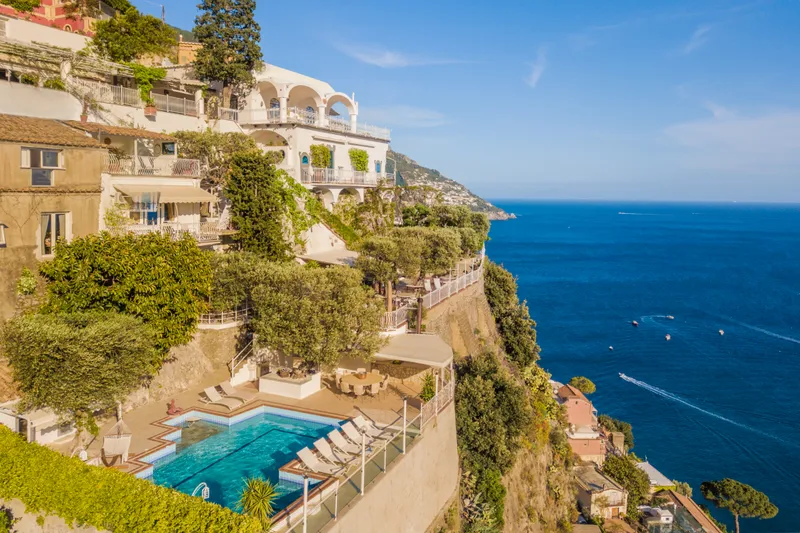
Waterfront terrace laid for a long lunch above the sea
Guides

Best French Riviera Dining Experience

A Guide from People Who Do Not Operate There
Cameron Elder
·
September 25, 2026
·
11 min read
We have no villas on the Riviera and will not pretend otherwise. Here is an honest guide to eating well in Nice, Cannes and Antibes anyway.
Start with the disclosure, because it is the reason this page exists. ERentals Exclusive does not operate on the French Riviera. We have no villas in Nice, Cannes, Antibes, Saint Tropez, Cap Ferrat or anywhere along that coast, and we are not quietly hoping to place you somewhere nearby. If you are reading this while planning a Riviera trip, we cannot help you with the house. We can help you eat well, because members of our team have spent a long time on that coast, and a useful dining guide written by people with nothing to sell is worth more than a promotional one written by people with everything to sell.
If a villa is what you actually need, the coastline we do operate on is the Amalfi Coast and Positano, which is a different sort of place with a different sort of food and, for what it is worth, better swimming from the house. We will come back to that at the end, once, and then leave it alone. The rest of this is about eating on the Riviera.

Nice Is the Food Town

Of the three main bases, Nice has by a considerable distance the deepest everyday food culture, and it is the one we would send anyone to first if eating is the priority. The reason is historical. Nice was Nizza and belonged to Savoy until the middle of the nineteenth century, and its cooking is genuinely its own, closer to Liguria than to Provence in places, built on chickpea flour, olive oil, anchovy, chard and the produce of the hills behind the city rather than on classical French technique.
That gives you a set of dishes you will not find further west along the coast in the same form. Socca, a thin chickpea flour pancake cooked on a huge copper pan in a wood oven, scraped off and eaten standing with pepper. Pissaladiere, an onion tart with anchovy and olives on a bread base, closer to a Ligurian focaccia than to a pizza. Pan bagnat, the salade nicoise compressed into a soaked bread roll and meant to be eaten a couple of hours after it is made. Petits farcis, small summer vegetables stuffed and baked. Stockfish, the dried cod stew known locally as estocaficada, which is not for everybody and is exactly the sort of thing a town cooks when it actually has a cuisine rather than a restaurant scene.
Eat these in Vieux Nice, the old town, and specifically at the plainer places rather than the ones with the best terraces. Socca is a street food and it is at its peak thirty seconds out of the oven, which means the right move is to buy it where the oven is and eat it standing, not to order it as a starter in a restaurant where it arrived on a tray ten minutes ago. This is the single most common way visitors have a mediocre first encounter with the best thing in the city.
Table set for lunch on a Mediterranean terrace with sea beyond
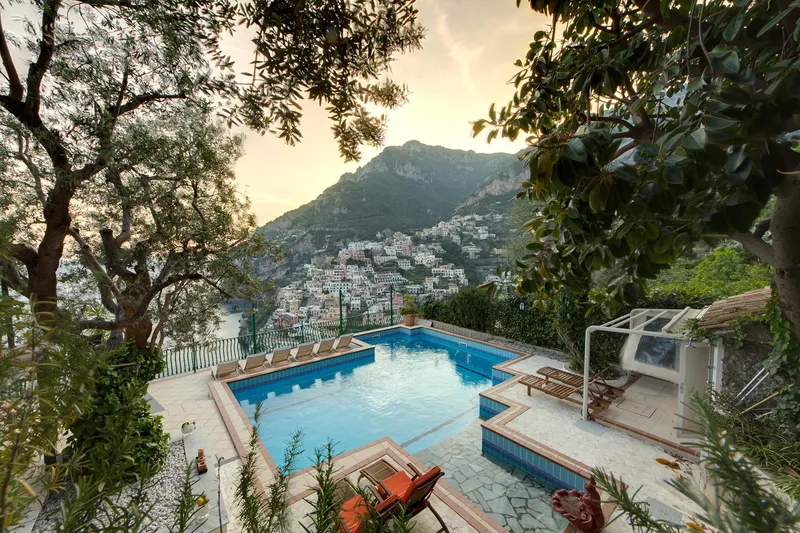
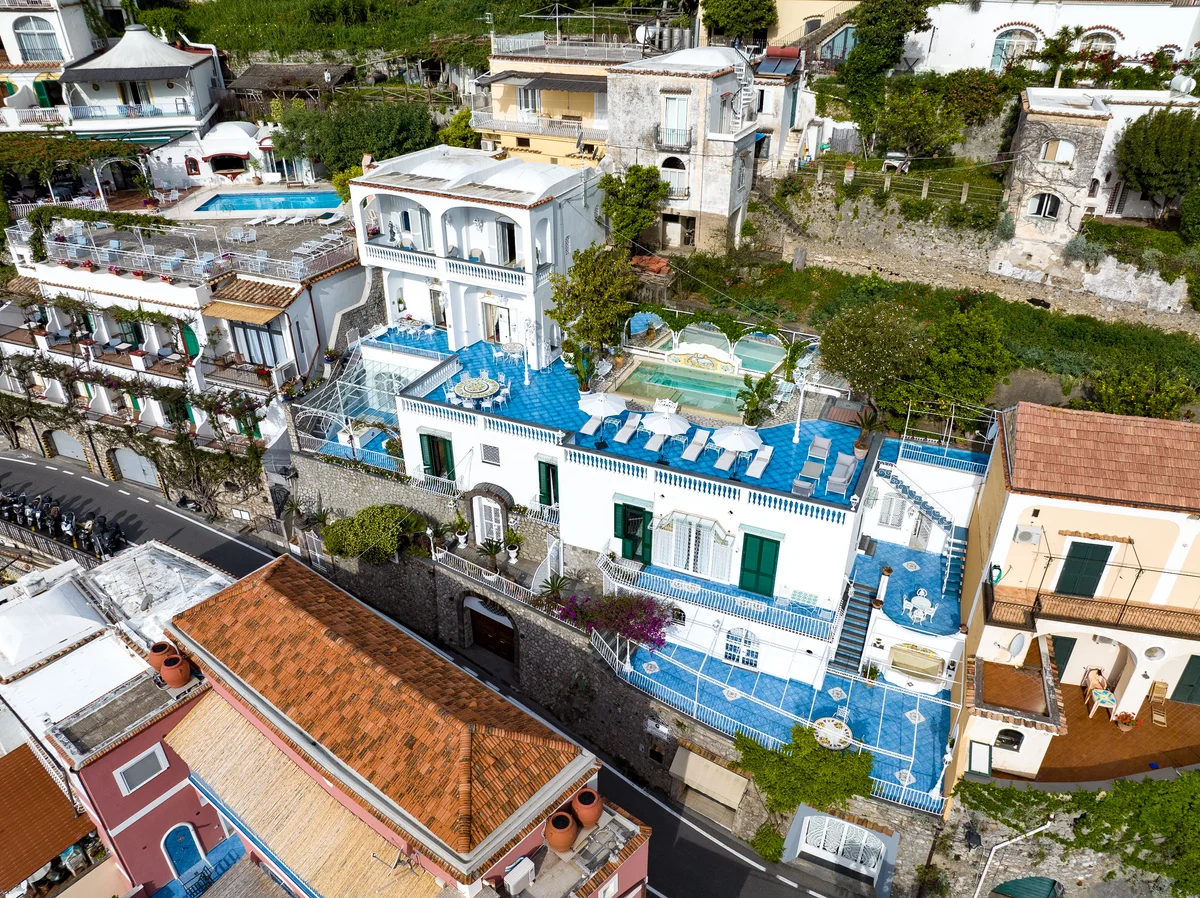
Villa Oliviero, Positano

Cours Saleya, and How to Use a Market

The market on Cours Saleya runs most mornings and it is both a genuine produce market and a well visited attraction, which means it rewards knowing how to approach it. Go early. By late morning it is full and the stalls facing the main walkways are increasingly oriented towards visitors: soaps, lavender, printed linens, pre packed nougat. The produce that matters is at the ends and along the sides, and it is very good, particularly in spring and early summer when the local courgettes with their flowers, the small artichokes and the first tomatoes come in.
The market also swaps character entirely on Mondays, when it becomes a brocante with antiques and second hand goods instead of flowers and produce. Visitors who arrive on a Monday expecting the food market are regularly disappointed, and nobody tells them. Check the day. Around the market, the restaurants directly on the square are a mixed group, with several trading almost entirely on position. The better cooking is one or two streets back, in rooms with worse views and shorter menus. That is a reliable rule everywhere on this coast and it is especially true here.
If you are self catering anywhere in the region, the market plus a good fishmonger and one of the older cheese shops in the old town will give you a better lunch than most restaurants at any price, and it is how a lot of people who live there actually eat. A whole fish, bread, tomatoes, olive oil, some socca carried home badly wrapped. That is the Riviera lunch, and it costs very little.

Cannes Eats to a Calendar

Cannes is a different proposition and you should understand what drives it. The city runs on a congress and festival calendar, and dining follows that calendar closely. During the film festival in May, during the advertising and music industry weeks, and during the yacht show in September, the restaurants are full of people on expenses, tables are held weeks out, and the prices and the service reflect a market where the customer is not paying personally. Outside those weeks the same rooms are calmer, more pleasant, and better value.
The food itself is good rather than distinctive. Classic French cooking done competently, a strong showing of Italian, a lot of seafood, and a well established group of high end rooms along the Croisette attached to the grand hotels. If you want a formal, beautifully served dinner in a room with a view, Cannes delivers that as well as anywhere on the coast. What it does not have to the same degree is Nice old town everyday eating, the place you walk into without a booking and eat something particular to the region.
The rue Meynadier and the market at Forville are where Cannes is most itself, and they are worth an hour in the morning more than the Croisette is worth an afternoon. Le Suquet, the old quarter climbing the hill, has a concentration of restaurants along one street that is pretty, busy and highly variable. Look at what is on the plates as you walk up rather than at the menus outside, which is generally the best decision making tool available to a visitor in any tourist quarter in Europe.

Antibes and the Harbour

Antibes sits between the two in character and is, for many people, the most pleasant base. It has a proper covered market, the Marche Provencal, which runs in the mornings and is a working market with a serious cheese and charcuterie presence. It has an old town of manageable size, a large yachting community that supports a group of restaurants and bars catering to crew rather than to owners, and consequently a decent middle tier of places that are neither cheap nor extravagant and that serve people who eat out constantly.
That crew economy is a genuinely useful signal. Boat crew eat out most nights on a limited allowance, they are in town for months, and they have no patience for poor value. Where crew eat is almost always the best ratio of quality to price in a harbour town. Ask, or simply notice which places are busy with the same faces on a Tuesday in shoulder season. Juan les Pins next door is a different scene again, louder and more nightlife oriented, and eating there is generally about the evening rather than the food.
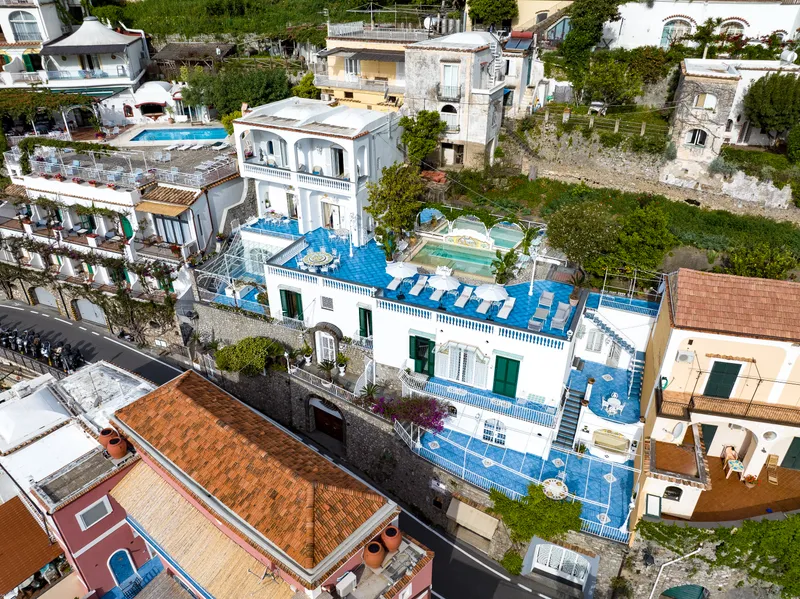
Shaded outdoor dining loggia at a coastal Italian villa
Villa Mon Repos, Amalfi Coast

Beach Clubs Are Not Restaurants

This is the thing most worth saying to someone planning a first trip. A beach club lunch on this coast is fundamentally a rental of a sunbed and a stretch of beach, with a kitchen attached. The rental is the product. The food is a service that supports it. Judged as a day in the sun with good service, a nice chilled bottle and a swim between courses, it is a genuine pleasure and one of the reasons people love the Riviera. Judged as a meal, most beach club food is ordinary, portioned conservatively, and priced against the location rather than the plate.
Which is fine, as long as you know what you bought. The mistake is expecting a serious lunch, being disappointed by a correct but unremarkable grilled fish, and concluding the coast is overrated. Do the beach club for the day, not the food, and then eat properly in the evening somewhere with no sand. Plenty of people on that coast have been doing exactly that for decades. If a single memorable meal is what you want, spend it at dinner in a town, not at lunch on a lounger.

August, Closures, and Timing

August is the month everybody comes and it is also the month a meaningful share of the best independent restaurants close, because French kitchens take their own holiday then and the owner operated places are precisely the ones that shut. You can arrive in the middle of high season to find three of the four addresses you had noted are dark for three weeks. Larger, hotel attached and tourist facing restaurants stay open, so you will eat, but you will be eating at the more commercial end of the range while paying peak season prices in peak season crowds.
June and September are better in every respect for food. The sea is warm in September, the markets are at their best in June, the kitchens are open, and the restaurants are not running at capacity, which affects the cooking more than people realise. If you have any flexibility at all, avoid the first three weeks of August. If you do not have flexibility, book everything well in advance and check closure dates individually, because they are usually posted on the restaurant's own channels and almost never on aggregator sites.
The festival calendar is the other timing input. The Cannes film festival in May and the yacht show in September fill the whole area, not just Cannes, and push availability and prices up along the coast. Monaco Grand Prix weekend in late May does the same thing more sharply. These are wonderful times to be there if the event is why you are going and frustrating times if it is not. Look at the dates before you book anything.

What We Would Actually Tell a Friend

Base in Nice or Antibes rather than Cannes if the food is the point. Eat socca standing up in the old town on the first evening. Go to a market in the morning at least twice and buy lunch rather than sitting down for it. Book one serious dinner and treat the rest of the week casually, because the pleasure of this coast is at the everyday end rather than the formal end, whatever the reputation suggests. Skip the restaurants with the best views and the longest menus. Ask crew in Antibes where they eat. Go outside August.
And here is the honest close, once, as promised. We cannot book you a villa on the Riviera because we do not have any there and we are not going to invent inventory to capture an enquiry. What we do have is Positano and the Amalfi Coast, which is a comparable sort of trip with a stronger food tradition at the everyday level, swimming directly from the houses, and rather more of the coastline still in local hands. If that is of interest, these are the three we would put in front of you. If it is not, take the dining advice above, enjoy the Riviera, and come back to us another time.
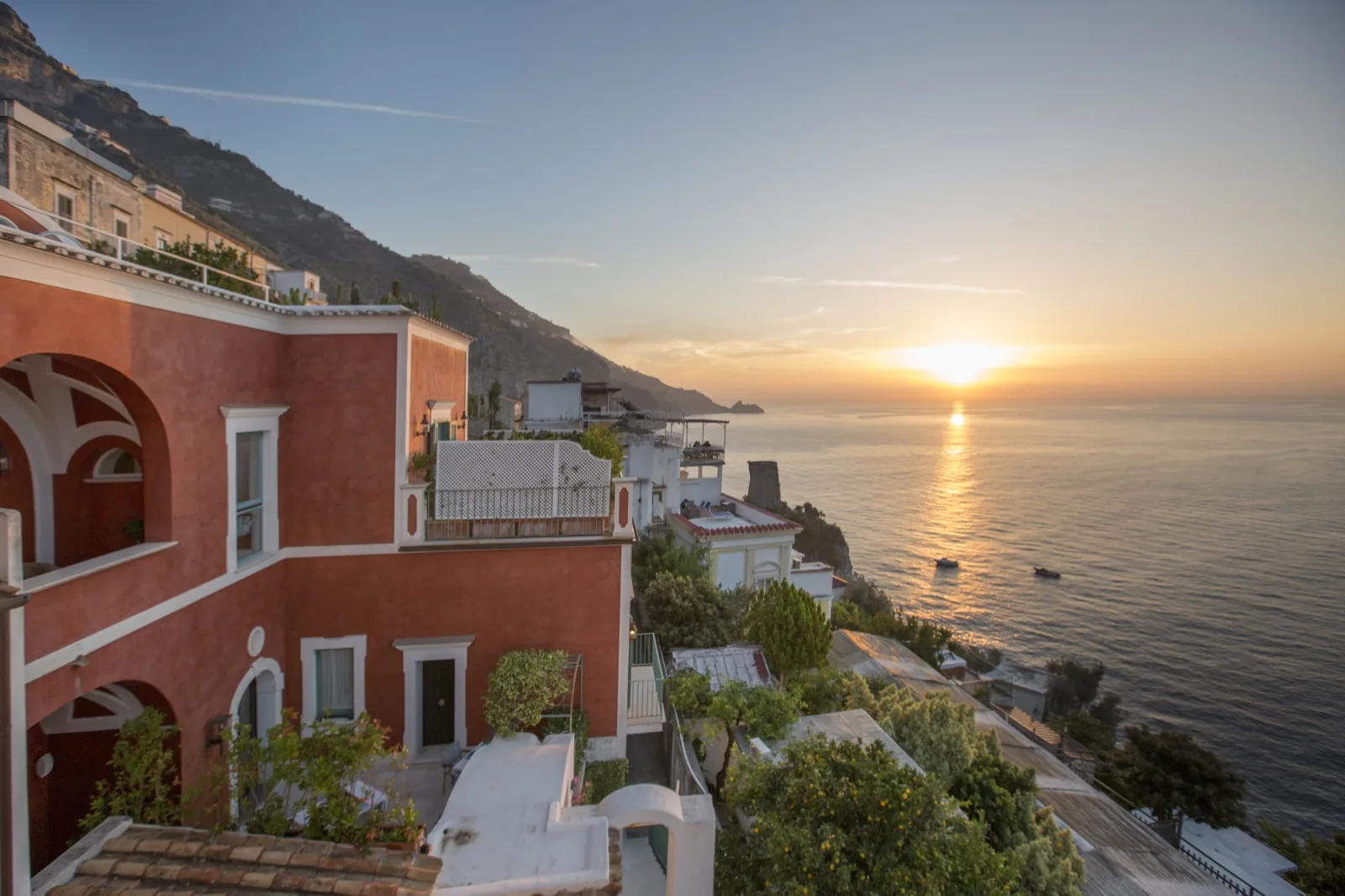
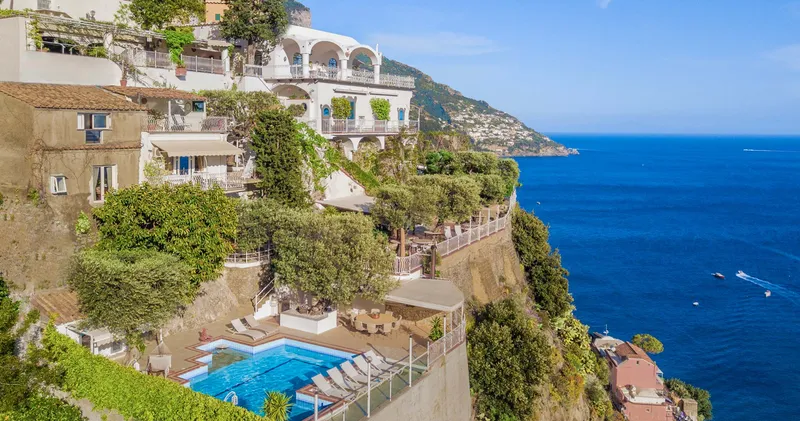
Terrace and sea view at a villa on the Amalfi Coast
Villa Ferida, Amalfi Coast
One closing caution about lists generally, including this one. Restaurant recommendations on this coast age badly, because chefs move, leases change hands and a room that was excellent three summers ago can be trading on its old reputation today. That is why this guide has argued for methods rather than a set of names: go where the market is, eat the regional dishes rather than the international menu, look at plates instead of menus, ask people who eat out constantly, and avoid the places whose main asset is the view. Those hold up regardless of who is cooking this season.
Key Takeaways
We do not operate any villas on the French Riviera, so nothing in this guide is written to sell you a property there.
Nice old town has the deepest everyday food culture of the three, built on socca, pissaladiere, stockfish and a market that still functions as a market.
Cannes eats to a festival calendar and Antibes eats to a harbour, and both are pleasant and more expensive per plate than Nice for similar cooking.
A beach club lunch is a chair rental with food attached, and it should be judged as such rather than compared with a proper restaurant.
August is when much of the best independent cooking closes for its own holiday, which is precisely when most visitors arrive.

Frequently Asked Questions

Do you have villas on the French Riviera?
No. We do not operate any properties in Nice, Cannes, Antibes, Saint Tropez or anywhere else on that coast, and we are not going to pretend otherwise to capture an enquiry. This guide exists because the dining advice is genuinely useful even though we have nothing to sell you there. For villas, the coastline we operate is Positano and the Amalfi Coast.
Which town is best if food is the priority?
Nice, clearly. Its old town has a distinct regional cuisine with roots in Savoy and Liguria rather than classical French cooking, and it is the only one of the three where you can walk in without a booking and eat something specific to the place. Antibes is a good second, helped by its market and its yacht crew economy.
What is socca and where should I eat it?
A thin chickpea flour pancake baked on a large copper pan in a wood oven, scraped off and eaten hot with black pepper. It is street food and it declines within a minute of leaving the oven, so eat it standing at the place with the oven rather than ordering it as a starter in a restaurant where it arrived on a tray.
Is the Cours Saleya market worth visiting?
Yes, but go early and know the day. By late morning the aisles facing the walkways skew towards soaps and souvenirs while the serious produce sits at the ends and sides. On Mondays it changes entirely into an antiques market, which catches out visitors who arrive expecting food.
Are beach club lunches worth the money?
As a day in the sun with a swim, service and a chilled bottle, yes. As a meal, usually not. You are renting a sunbed and a stretch of beach with a kitchen attached, and the food is priced against the location rather than the plate. Enjoy the day, then eat properly in the evening somewhere without sand.
Should I avoid August?
If you can. Many of the best owner operated kitchens close for three weeks in August for their own holiday, exactly when visitor numbers peak, so you end up eating at the more commercial end at peak prices. June and September are better for food, weather and availability in almost every respect.
How do festivals affect dining?
Substantially. The Cannes film festival in May, the Monaco Grand Prix in late May and the yacht show in September fill the whole coast rather than only their host towns, push prices up and make tables hard to get. They are great if the event is why you came and frustrating if it is not, so check the dates before booking anything.
Where should I stay instead if I want a villa from you?
Positano and the wider Amalfi Coast, where we do operate. It is a comparable Mediterranean trip with a stronger everyday food culture, swimming directly from the houses and a coastline still largely in local hands. If the Riviera specifically is what you want, use this guide for the eating and book the house elsewhere.
Follow the journey @erentalsexclusive + @aurelseyez
Villa tours, destination guides, and behind-the-scenes content from the team on the ground
Cameron Elder
Founder, ERentals Exclusive
france
dining
riviera

See it in motion

From the feed

Real stays, real light. Tap any film to watch it full screen.

Stay in the loop
© 2026 ERentals Exclusive