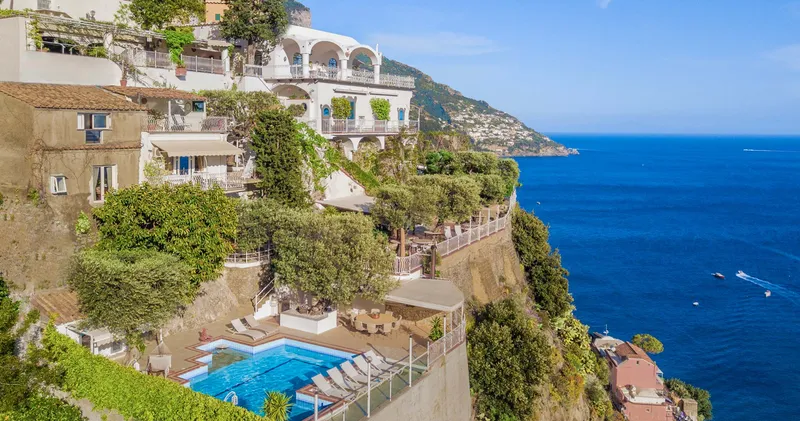
The Best Restaurants in Positano and Amalfi
An honest guide to eating in Positano and Amalfi, from beach kitchens to hillside trattorias, with the road, boat and season rules that matter.
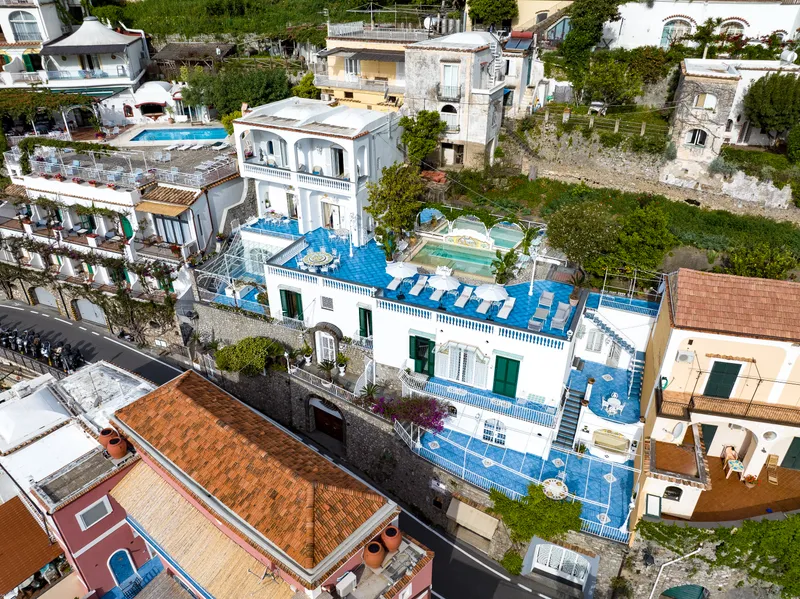
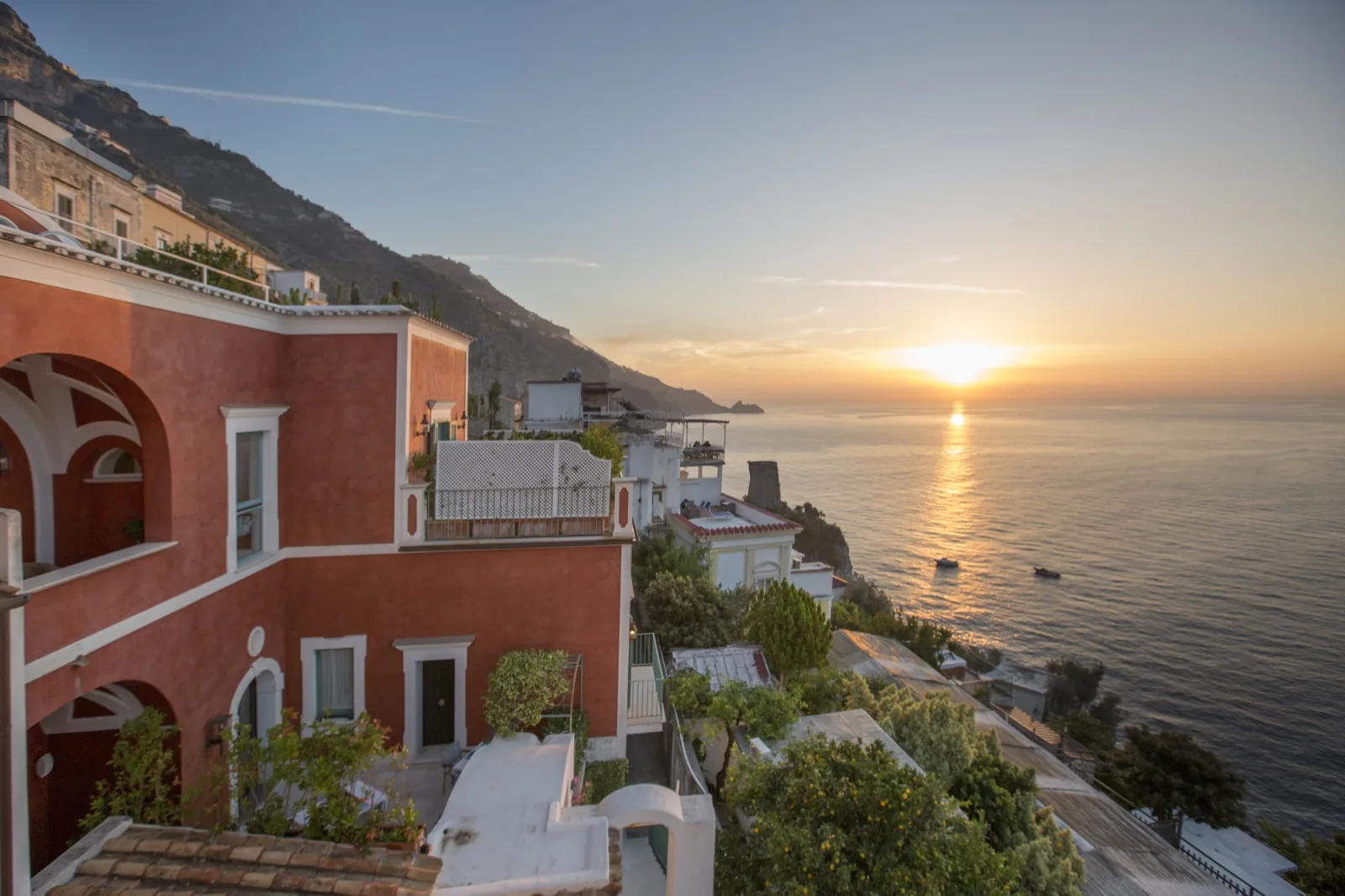
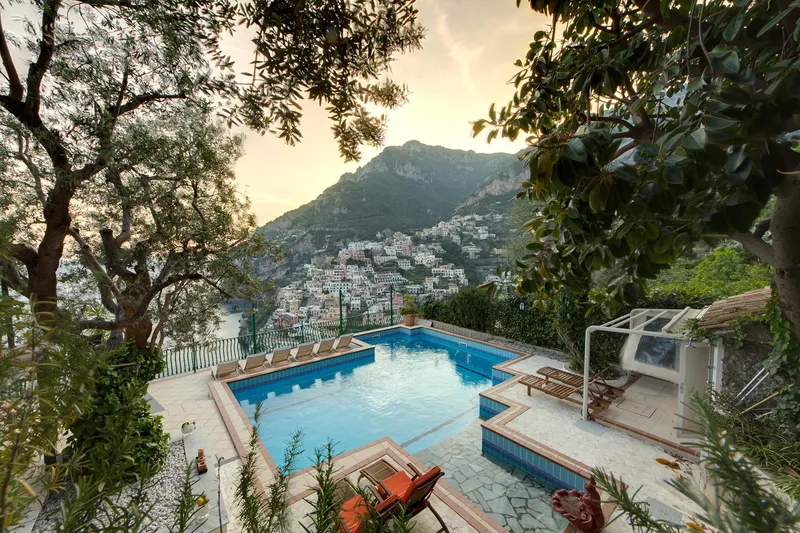
The Amalfi Coast is one of the few places where geography, not taste, determines what you eat. Positano is a vertical village with one road through it, Amalfi is a working town at the mouth of a gorge, and the thirty kilometres of cliff between Sorrento and Salerno was cut for mules before it was widened for cars. That single fact shapes every meal of the week. It decides how far you can go for dinner, whether a boat makes more sense than a driver, and why a trattoria three hundred metres above your house is often the better plan than the famous terrace at sea level. We put guests on this coast every summer, and this is the version we give them before they arrive rather than after. The Road Is the Whole Story The coast road is two narrow lanes with buses, scooters and delivery vans on it, and in July and August it can take an hour to move a distance that looks like fifteen minutes on a map. Positano is one way from the top, so a car coming down cannot simply turn around, and the village has almost no parking that is not a paid garage with a queue. What this means practically is that dinner twenty five kilometres away is not a casual decision, it is the evening. Plan one town per night. Our honest advice is to pick a base, eat within it four nights out of seven, and use a boat rather than a car for the two or three meals that are genuinely worth travelling for. Why Arriving by Boat Is Better This is the thing most first time visitors work out on day five and wish they had known on day one. A small boat with a local skipper turns a two hour round trip on the road into twenty five minutes on the water, arrives at the restaurant steps rather than a garage above the village, and removes the parking problem entirely. Ferries run between Positano, Amalfi, Praiano, Capri and Sorrento through the season and are cheap, reliable and pleasant. A private transfer for a group of eight is not a luxury on this coast, it is a straightforward way of getting a longer evening and fewer arguments. Ferries reduce sharply outside summer and stop in rough weather, so it is a seasonal answer rather than a year round one. Positano at Sea Level The beachfront at Spiaggia Grande is the postcard and it is also the most expensive real estate on the coast, which shows up on the bill. Chez Black has been on that beach since the nineteen forties and is a proper institution rather than a tourist trap, and the fish and the spaghetti with clams are good. La Cambusa sits at the corner of the beach and has been there almost as long. Lo Guarracino, on the path towards Fornillo, is cut into the cliff under a lemon pergola and is one of the genuinely lovely places to eat at lunchtime. The rule at sea level is the same as anywhere with a view. Order the simplest thing on the menu and it will be good. Villa Oliviero, Positano Montepertuso and Nocelle, the Better Value Decision Above Positano, reached by a hairpin road or by a great many steps, sit the two hamlets of Montepertuso and Nocel
The Amalfi Coast is one of the few places where geography, not taste, determines what you eat. Positano is a vertical village with one road through it, Amalfi is a working town at the mouth of a gorge, and the thirty kilometres of cliff between Sorrento and Salerno was cut for mules before it was widened for cars. That single fact shapes every meal of the week. It decides how far you can go for dinner, whether a boat makes more sense than a driver, and why a trattoria three hundred metres above your house is often the better plan than the famous terrace at sea level. We put guests on this coast every summer, and this is the version we give them before they arrive rather than after.
The Road Is the Whole Story
The coast road is two narrow lanes with buses, scooters and delivery vans on it, and in July and August it can take an hour to move a distance that looks like fifteen minutes on a map. Positano is one way from the top, so a car coming down cannot simply turn around, and the village has almost no parking that is not a paid garage with a queue. What this means practically is that dinner twenty five kilometres away is not a casual decision, it is the evening. Plan one town per night. Our honest advice is to pick a base, eat within it four nights out of seven, and use a boat rather than a car for the two or three meals that are genuinely worth travelling for.
Why Arriving by Boat Is Better
This is the thing most first time visitors work out on day five and wish they had known on day one. A small boat with a local skipper turns a two hour round trip on the road into twenty five minutes on the water, arrives at the restaurant steps rather than a garage above the village, and removes the parking problem entirely. Ferries run between Positano, Amalfi, Praiano, Capri and Sorrento through the season and are cheap, reliable and pleasant. A private transfer for a group of eight is not a luxury on this coast, it is a straightforward way of getting a longer evening and fewer arguments. Ferries reduce sharply outside summer and stop in rough weather, so it is a seasonal answer rather than a year round one.
Positano at Sea Level
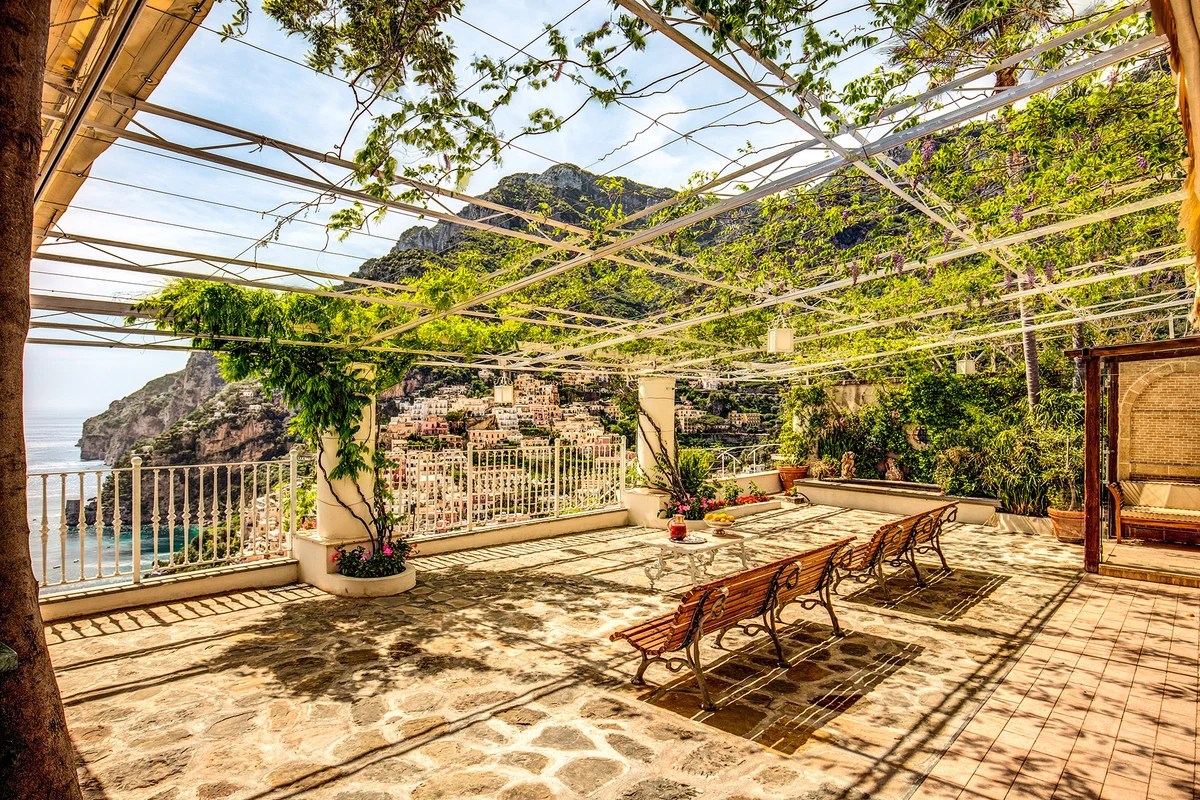
The beachfront at Spiaggia Grande is the postcard and it is also the most expensive real estate on the coast, which shows up on the bill. Chez Black has been on that beach since the nineteen forties and is a proper institution rather than a tourist trap, and the fish and the spaghetti with clams are good. La Cambusa sits at the corner of the beach and has been there almost as long. Lo Guarracino, on the path towards Fornillo, is cut into the cliff under a lemon pergola and is one of the genuinely lovely places to eat at lunchtime. The rule at sea level is the same as anywhere with a view. Order the simplest thing on the menu and it will be good.
Montepertuso and Nocelle, the Better Value Decision
Above Positano, reached by a hairpin road or by a great many steps, sit the two hamlets of Montepertuso and Nocelle, and the cooking up there is better than most of what is below it. Il Ritrovo and Donna Rosa in Montepertuso have both been doing serious home style Campanian food for decades, with vegetables grown on terraces you can see from the table. La Tagliata is the theatrical one, a family run hillside room with no real menu that simply brings food until you ask it to stop, and it is a very good night for a group. Almost all of these places will send a car down to collect you and take you home, and you should let them, because the walk back down in the dark is genuinely unpleasant.
The Lunch You Can Only Reach by Boat
Da Adolfo at Laurito beach is the single most quoted meal on this coast and it deserves the reputation. There is no road, and the way in is a small boat with a red fish painted on it that runs from the jetty at Positano through the day. Lunch is mozzarella grilled on lemon leaves, fish off the grill, and white wine with peaches in it, eaten in a wooden shack on a pebble beach. It is not sophisticated and it is not cheap for what it is, and it is still one of the best afternoons on the coast. Book ahead in summer, go early, and accept that the last boat back sets the end of your day whether you are ready or not.
Praiano and the Villages Between
Praiano sits between Positano and Amalfi and is the quieter, cheaper and in many ways more pleasant place to eat. It has real village restaurants serving people who live there, a beach at Marina di Praia wedged into a fissure in the cliff with a couple of long running fish places on it, and none of the crush of Positano in August. Furore and Conca dei Marini, a little further east, are the same idea again. If you are staying in Positano and want one night that feels like the coast before it became famous, twenty minutes east is enough. This stretch is also the part that empties earliest in the shoulder season, so check rather than drive.
Amalfi Town Itself
Amalfi is a working town, which is both its advantage and its problem. The streets immediately around the cathedral steps are heavily geared to day trippers off the ferries and the coaches, and the food there is largely indifferent. Walk five minutes past that and it changes completely. Trattoria da Gemma, above the main square, has been run by the same family for over a century and is the safe recommendation for anybody who wants one proper meal in Amalfi. Marina Grande, down on the beach, does good fish with its feet almost in the water. The paper mills up the valley and the lemon terraces above the town are worth an hour before lunch rather than after it.
Ravello, up in the Clouds
Ravello sits several hundred metres above Amalfi on a road of switchbacks, and it is cooler, quieter and considerably more civilised than the coast below. Cumpa Cosimo has been serving plain, generous Campanian food on the main street for generations and remains the antidote to anything overworked. The hotel dining rooms up here, including