Polanco, Roma Norte, and Condesa are the three Mexico City neighborhoods World Cup travellers actually consider. Here is how each one feels, how far it sits from Estadio Azteca, and which groups it suits.
Mexico City hosts five FIFA World Cup 2026 matches at Estadio Azteca, including the opening match on June 11. For a travelling party deciding where to base, three neighborhoods come up: Polanco, Roma Norte, and Condesa. They are not interchangeable. Each one frames the week differently. Below is what each feels like on the ground, how it sits relative to the stadium, and which groups it actually suits.
A note before the comparisons. None of these neighborhoods is close to Estadio Azteca. The stadium sits in the south of the city, in the Coyoacan borough. Roma Norte, Condesa, and Polanco all sit north of it. On a non-match weekday, expect 30 to 50 minutes by car from Roma Norte or Condesa, and 40 to 60 minutes from Polanco. On match day those times surge. Choose the neighborhood for the week the group wants, not for the drive to the fixture, because the drive is going to take a chartered car either way.
Polanco: The Embassy District
Polanco is the high-end residential and embassy district, with Avenida Presidente Masaryk running through it as the formal shopping street. The energy is calmer, the streets are wider, and the dining trends toward the city formal: Pujol, Quintonil, Biko, the kind of tables that book six weeks out. Concierge polish is real here, both because the hotels are formal and because the neighborhood was built around them.
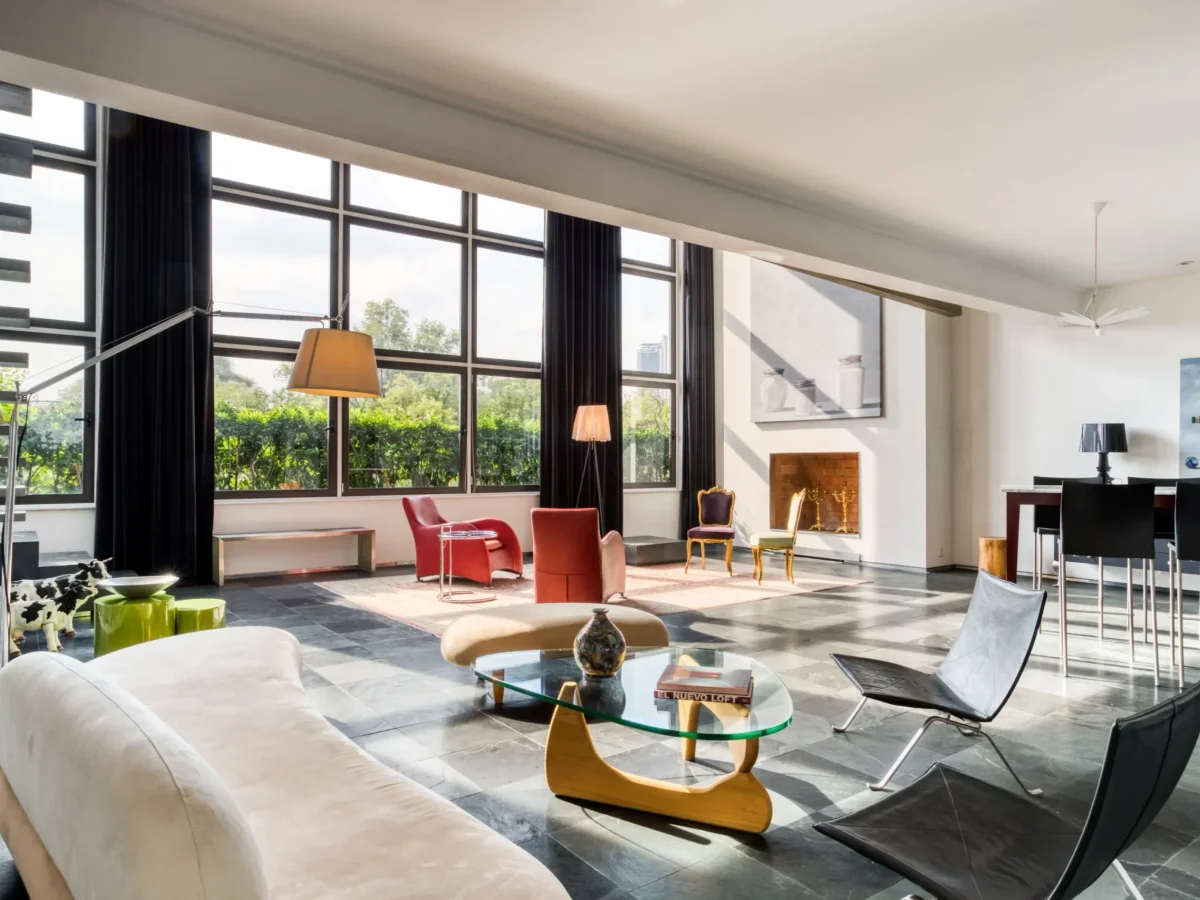
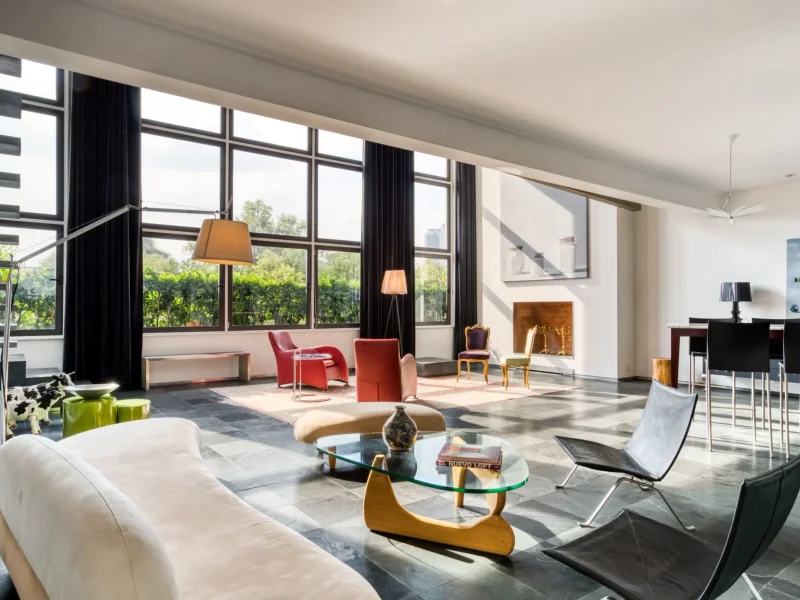
Polanco residences run larger than Roma or Condesa apartments. A two or three bedroom unit with proper closets and a building gym is the typical pick, often inside a high-rise with valet parking and a front desk. From Polanco to Estadio Azteca, plan on 40 to 60 minutes by car on a non-match weekday. Match days surge the run.
Who Polanco suits: couples and small groups who want concierge service and formal dining, families with older children comfortable in a residential building, travellers who want a calmer base and are happy to taxi into Roma Norte for the louder nights. Who it does not suit: anyone who wants to walk out the door into the cafe-and-mezcaleria density that defines a Mexico City trip for most international visitors.
Roma Norte: The Restaurant and Gallery Corridor
Roma Norte is where the citys restaurant scene reset itself over the last decade. Contramar, Maximo Bistrot, Rosetta, Em, all within a few blocks of each other along Avenida Alvaro Obregon and the side streets that branch off it. Galleries sit between the restaurants. The streets are denser and louder than Condesa, the buildings older, the trees fewer. This is the corridor most international travellers picture when they picture Mexico City.
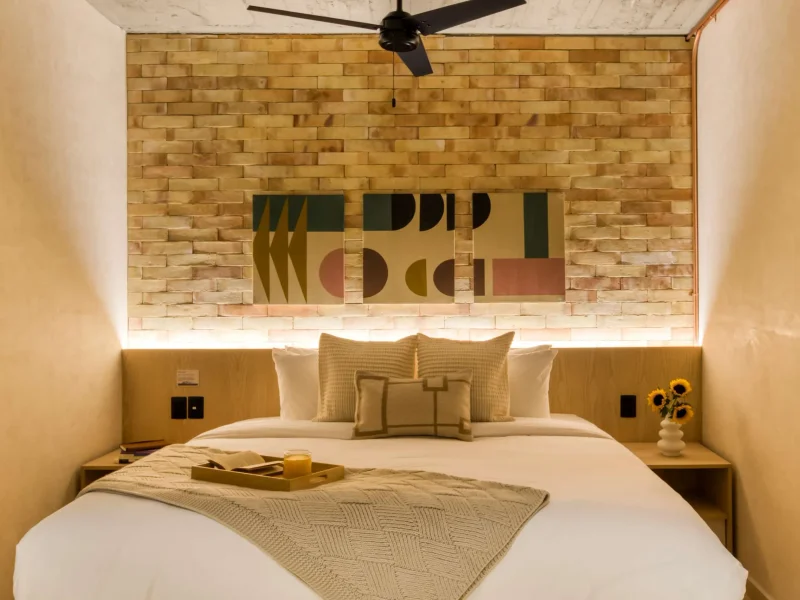
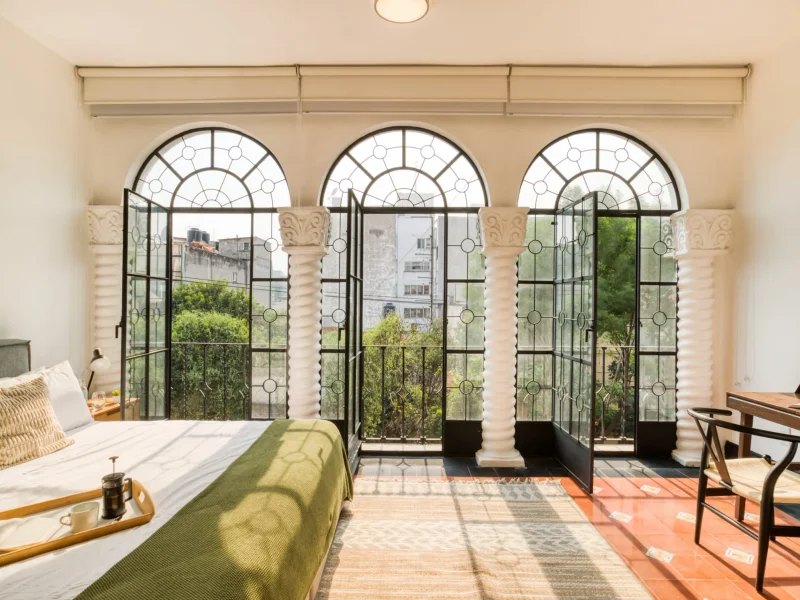
Roma residences tend to be one or two bedroom apartments in restored early 20th century buildings, often with private balconies. A premium Roma unit with two ensuites and balconies, like our Caliza Roma residence, runs at the upper end of the boutique scale. From Roma Norte to Estadio Azteca, plan on 30 to 45 minutes by car on a non-match day. Match days will run longer.
Who Roma Norte suits: couples and two-couple groups who want to walk out the door into the dining scene, design and food travellers, anyone who treats restaurants as the spine of the trip. Who it does not suit: large groups looking for a single big base (the building stock is small unit), travellers wanting quiet residential calm, or anyone unwilling to share their stay with the citys densest pedestrian neighborhood.
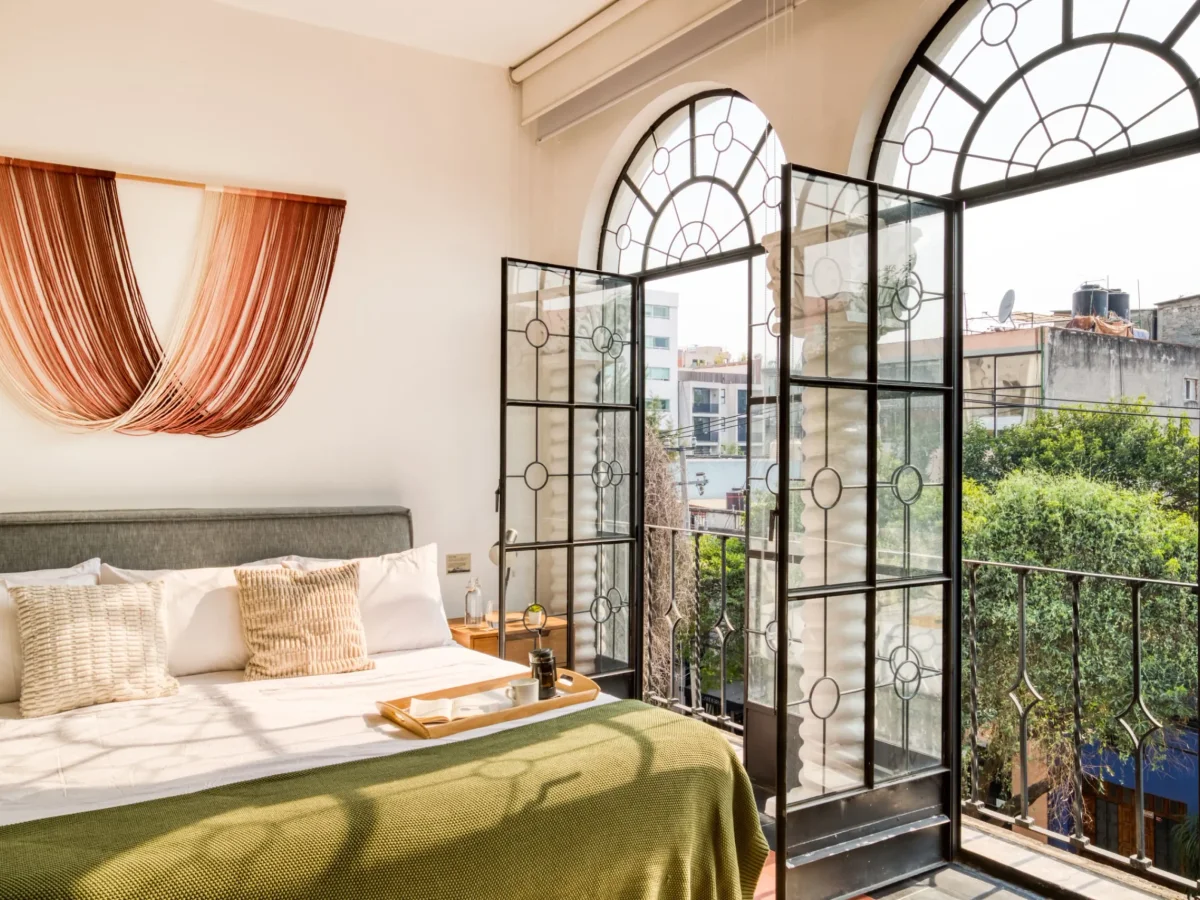
Roma Norte is the dining and gallery corridor. You walk out into the citys best tables, not toward them.
Condesa: The Leafy Walkable Heart
Condesa is Roma Nortes quieter twin. The same walkable corridor, the same cafe and mezcaleria density, but built around two leafy parks: Parque Mexico and Parque Espana. The streets are wider, the trees taller, the buildings a mix of Art Deco and modern apartments. Avenida Amsterdam and Avenida Michoacan are the main cafe and restaurant streets. The pace is slower than Roma, the design vocabulary more residential.
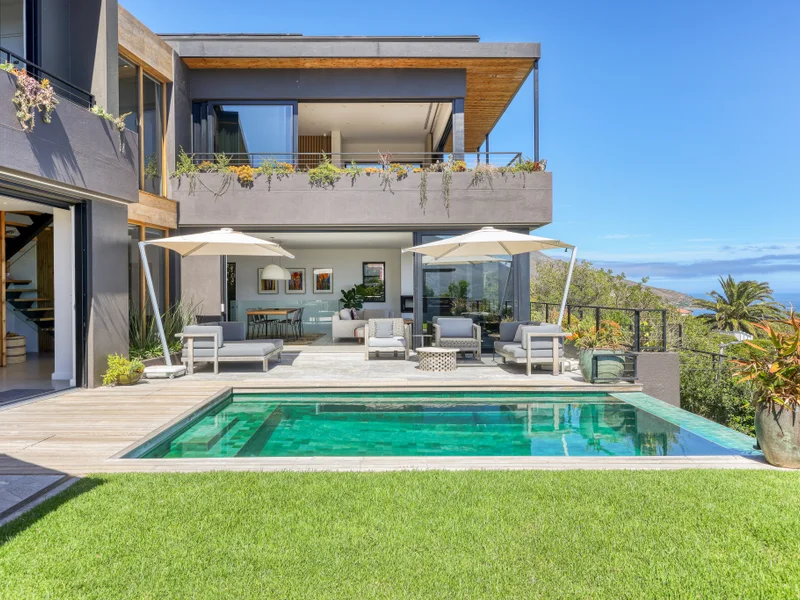
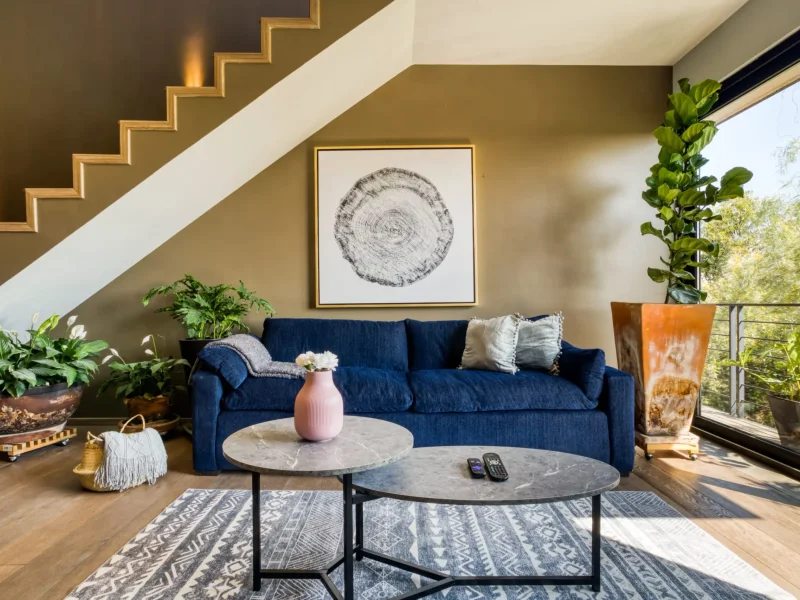
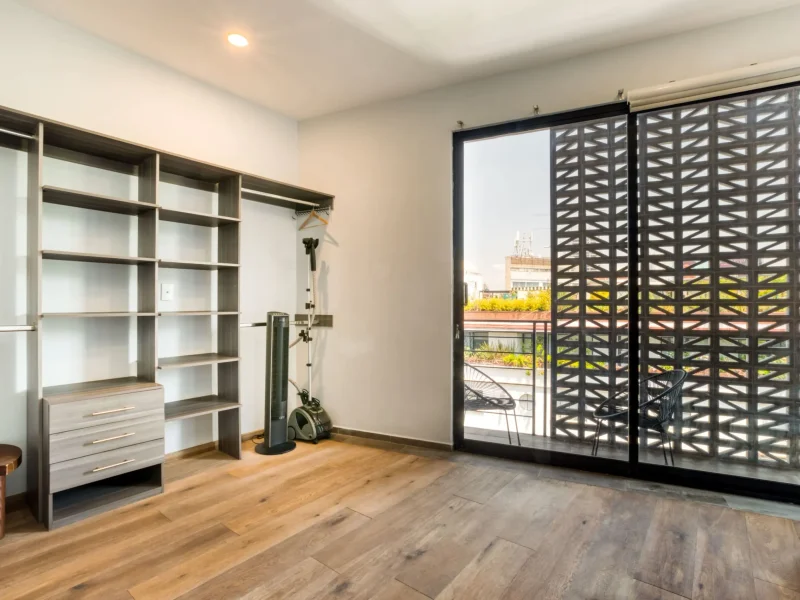
Condesa is where the design-forward penthouses sit. A two bedroom penthouse with a private rooftop terrace, like our central Condesa terrace flagship, is the strongest residence type the neighborhood produces. Budget-luxury options exist too, the Big PH Haven rooftop 2BR opens at $125 per night, which is the cheapest serious Condesa rate we book. From Condesa to Estadio Azteca, plan on 30 to 50 minutes by car outside peak traffic.
Who Condesa suits: couples and small groups who want the walkable Mexico City week without Roma Nortes density, design travellers, remote workers staying a week or longer, families with dogs (a few Condesa units accept pets). Who it does not suit: groups of more than four (the building stock is small unit), travellers who want formal hotel service, or anyone whose primary metric is proximity to the stadium.
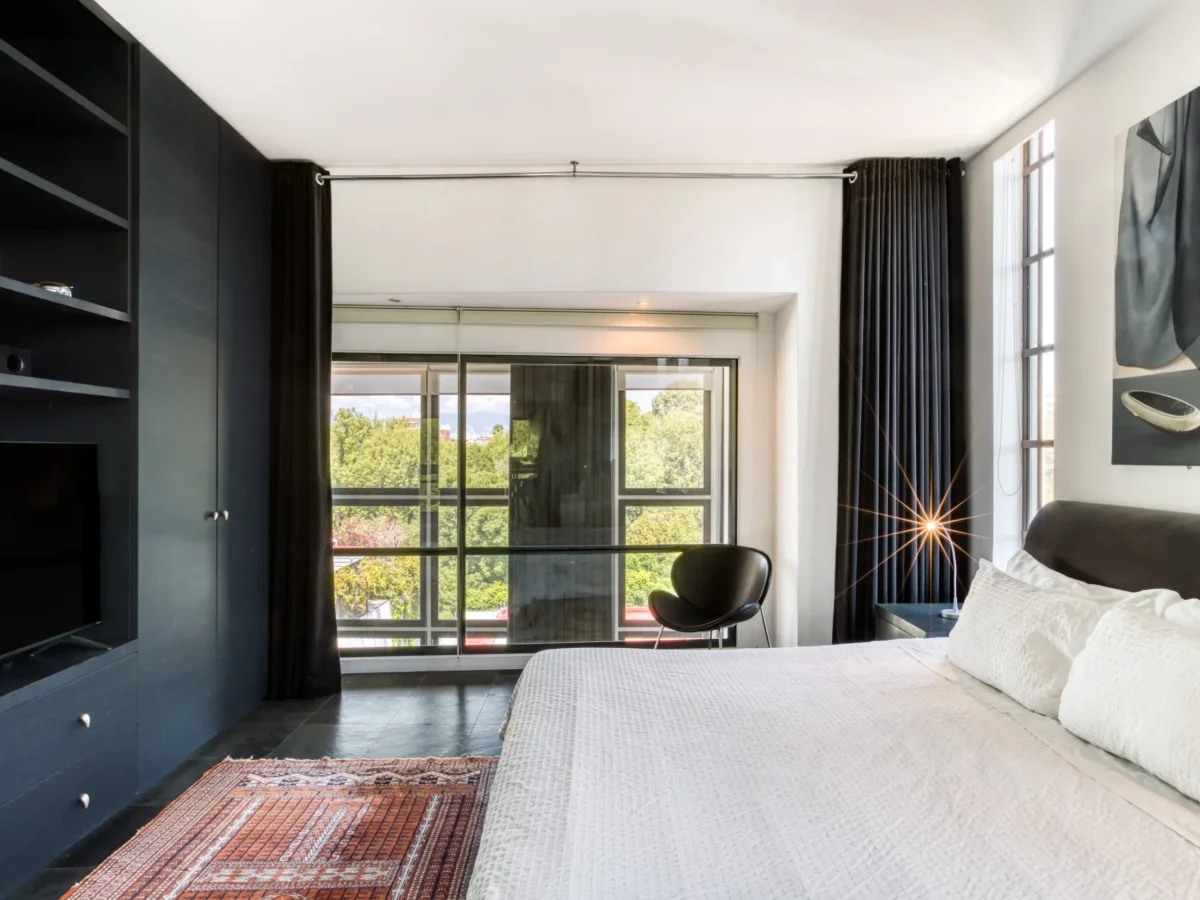
The Condesa terrace penthouse. The neighborhood is the leafy half of the walkable corridor, slower than Roma, denser than Polanco.
Most international groups end up picking between Roma Norte and Condesa, and reserve Polanco for one or two formal dinners. If the week is built around the matches and the dining, base in Roma or Condesa. If the week is built around hotel-grade service and formal nights, base in Polanco and uber into the other two.
ERentals Picks
Properties mentioned in this article
Key Takeaways
Polanco is the embassy and luxury hotel district, calmer streets, formal dining, concierge polish
Roma Norte is the gallery and restaurant corridor, denser, louder, the strongest dining scene
Condesa is the leafy, walkable heart of the city, parks, cafes, design-forward apartments
All three sit 30 to 60 minutes from Estadio Azteca by car outside peak match-day traffic
Most international travellers prefer Roma Norte or Condesa for the week and reserve Polanco for the formal nights
Frequently Asked Questions
Which Mexico City neighborhood is best for the World Cup 2026?
Most international travellers prefer Roma Norte or Condesa, the walkable cafe and restaurant corridor in the centre of the city. Polanco suits travellers who want concierge polish and formal dining and are happy to taxi to the louder neighborhoods. None of the three sits close to Estadio Azteca, so the choice is about the week, not the stadium drive.
How far is Estadio Azteca from Polanco, Roma Norte, and Condesa?
Estadio Azteca sits in the Coyoacan borough in the south of Mexico City. From Roma Norte and Condesa, plan on 30 to 50 minutes by car outside peak traffic. From Polanco, plan on 40 to 60 minutes. Match-day traffic will lengthen those runs, so most travellers brief a chartered driver for the door-to-door rather than relying on rideshare.
Is Polanco walkable from Roma Norte and Condesa?
Not really. Polanco sits on the far side of Chapultepec Park from Roma Norte and Condesa. The walk across the park is 30 to 45 minutes, which is fine for one direction on a good day but not how anyone moves between the neighborhoods regularly. Taxi or rideshare is the default.
Which neighborhood has the best dining for the tournament?
Roma Norte for the densest restaurant scene, including Contramar, Maximo Bistrot, Rosetta, and Em. Polanco for the formal tables, Pujol, Quintonil, Biko. Condesa for the cafe and mezcaleria density on Avenida Amsterdam and Avenida Michoacan. Most groups split nights across all three.
Which neighborhood is best for large groups?
Polanco is the only one of the three with a meaningful supply of larger residences and high-rise units with building amenities. Roma Norte and Condesa run on small-unit boutique apartments, so groups over four often split across two adjacent units in the same building. For a single twelve-plus base, Miami is the deeper market, not Mexico City.
Villa tours, destination guides, and behind-the-scenes content from the team on the ground